









What Are Patio Covers Worth?
A practical breakdown of patio cover value—cost, comfort, curb appeal, and long-term ROI—so you can decide if it’s the right upgrade for your home.
When homeowners ask, “What are patio covers worth?” they’re usually trying to answer two different questions at the same time:
- What will it cost me? (the budget reality)
- What do I get back? (comfort today, value tomorrow)
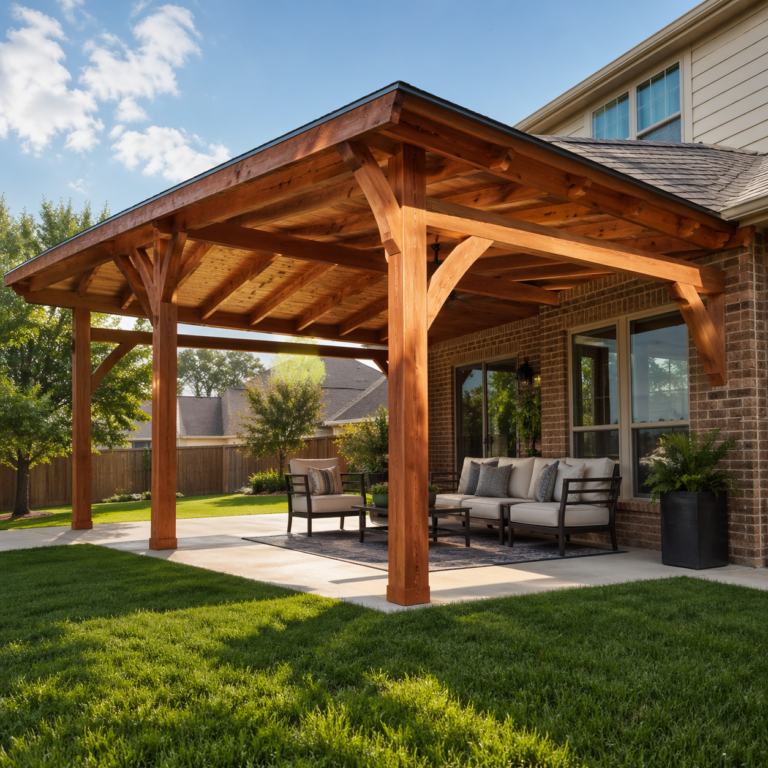
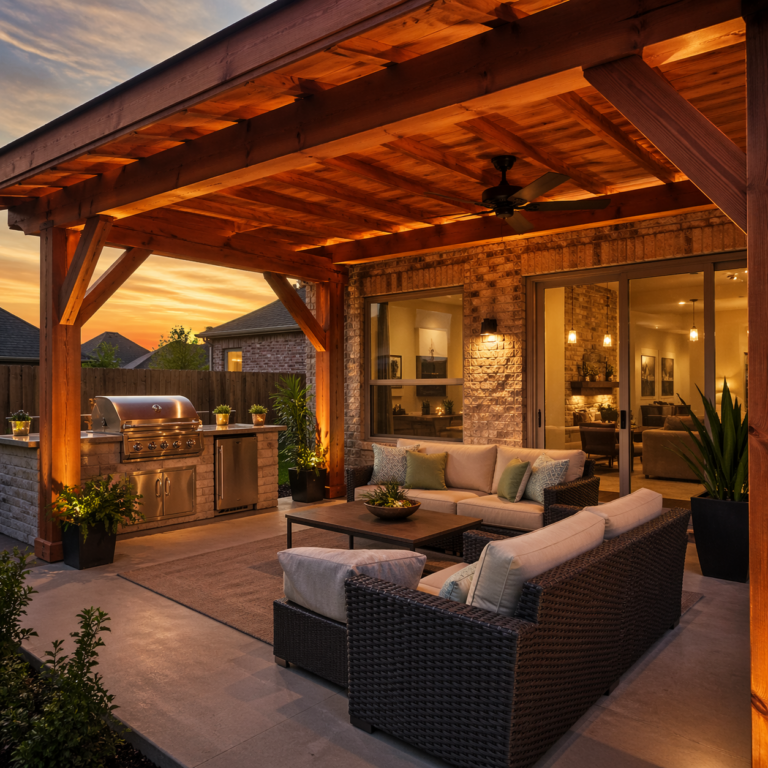
A patio cover sits in that sweet spot between a lifestyle upgrade and a practical home improvement. It can make your backyard usable in the middle of a Texas summer, protect furniture and finishes, and help your home show better when it’s time to sell. But “worth it” depends on your goals, your home, and how well the cover is designed and built.
Think of a patio cover as a multiplier. If you already like spending time outside, a good cover can dramatically increase how often you use your patio—and how comfortable it feels while you’re there.
Quick answer (the big idea)
A patio cover is “worth it” when it turns an underused patio into a reliable, shaded outdoor room—especially if it’s designed to fit your home and built with materials that match your maintenance expectations. The strongest value usually shows up as more daily use, better comfort, and stronger buyer appeal rather than a guaranteed dollar-for-dollar resale return.
The Real “Worth” of a Patio Cover: More Than a Price Tag
It’s easy to reduce a patio cover decision to a single number, but patio covers deliver value in several ways that don’t show up neatly on a receipt. The “worth” is a blend of function, comfort, durability, and how the finished project fits your home.
1) Usable outdoor time is a real form of value
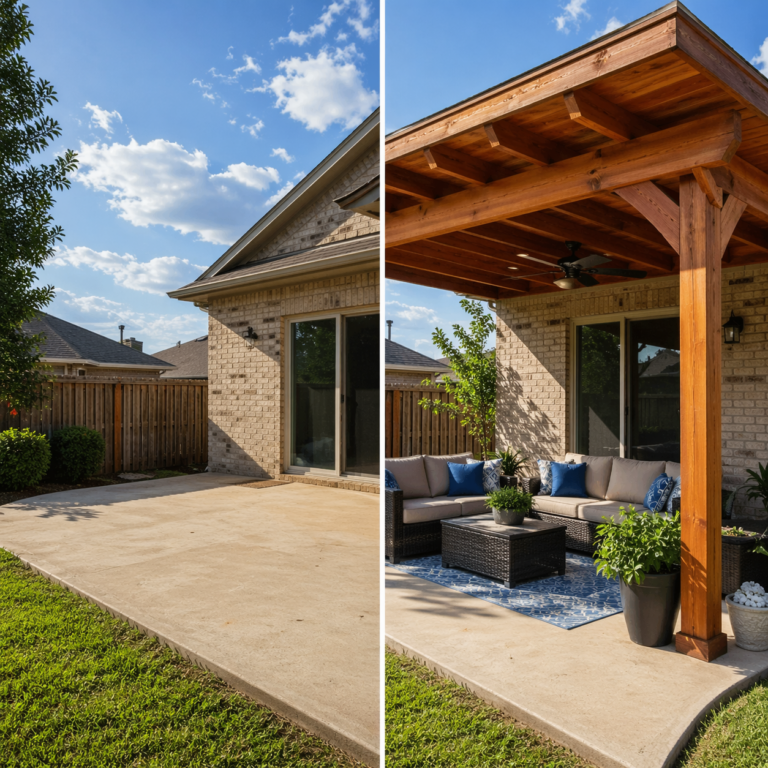
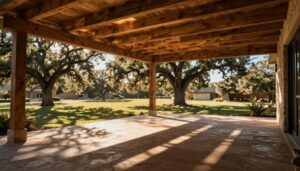
In North Texas, the difference between a covered patio and an uncovered slab can be the difference between “we have a patio” and “we actually use the patio.” Shade changes the game—especially when sun exposure and heat make midday outdoor time unrealistic. If a cover helps you reclaim even a few extra hours per day in the warm months, that’s a tangible lifestyle return.
2) Functional living space without a full addition
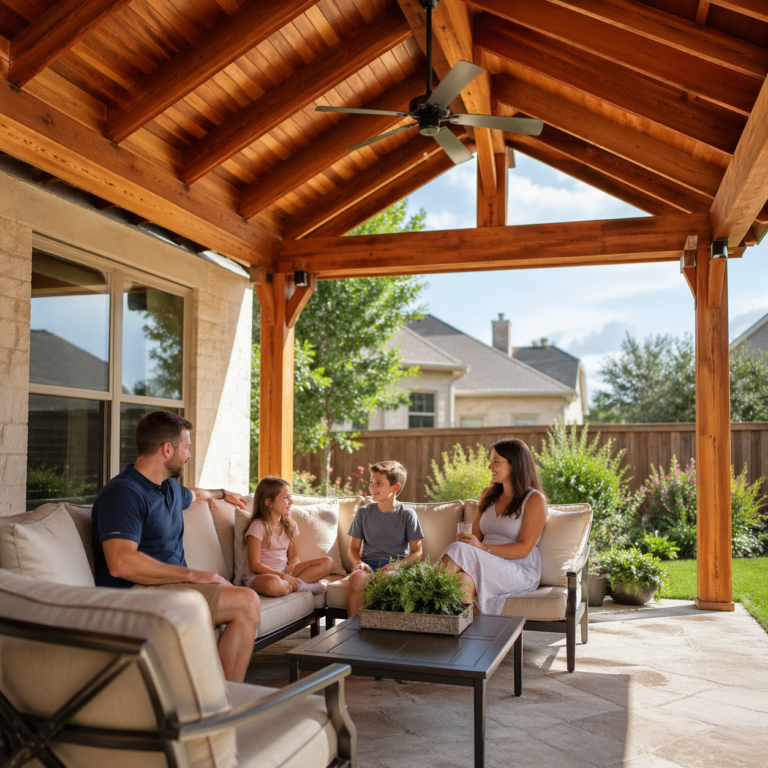
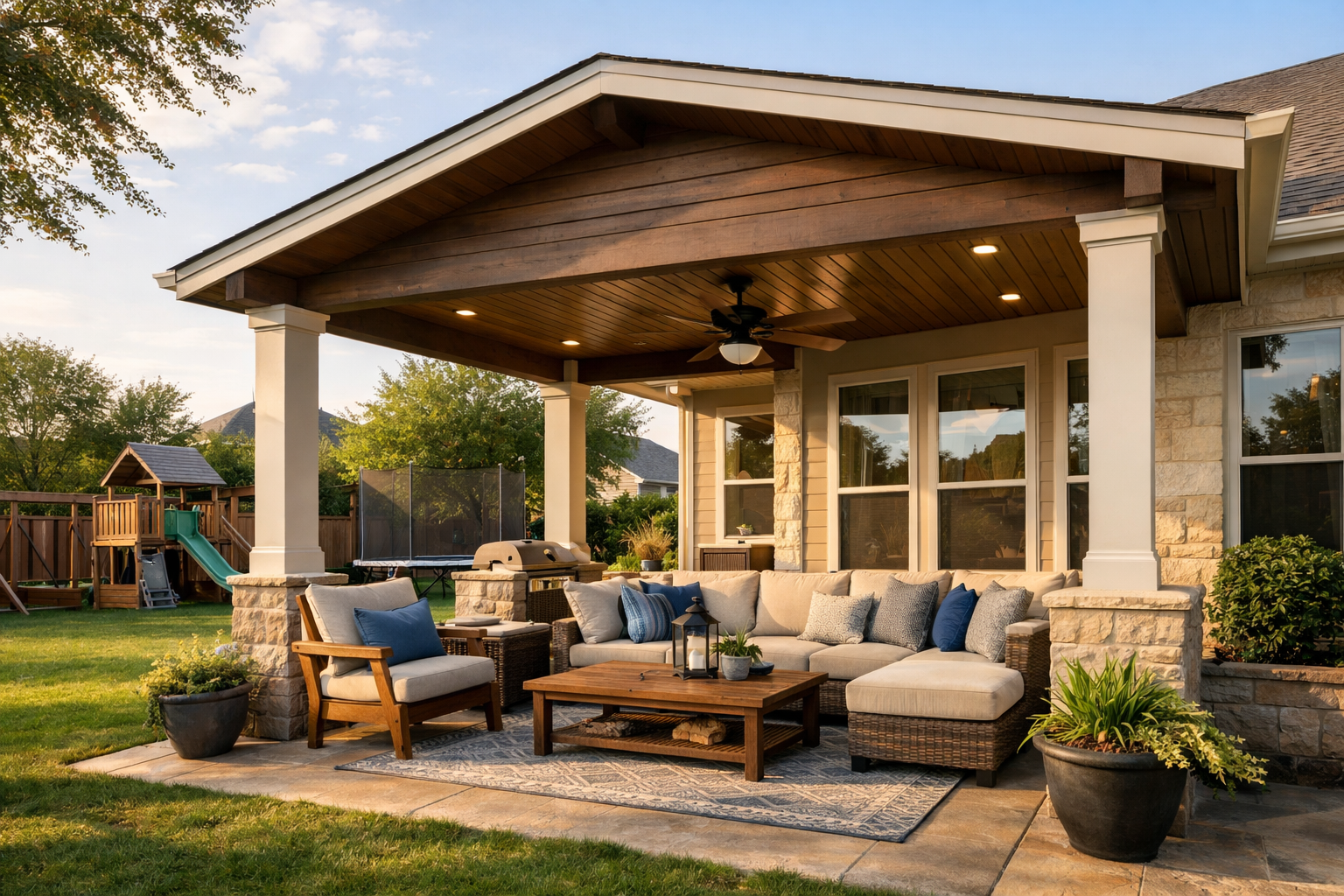
A well-designed cover can make your patio feel like an outdoor room: a place to eat, watch a game, do homework with the kids, or host neighbors. While it’s not conditioned square footage, it can behave like “bonus space” in the way your household uses the home.
3) Curb appeal and perceived quality
Buyers (and guests) notice when an outdoor structure looks integrated instead of tacked on. A cover that matches your roofline, trim, and overall architecture improves perceived home quality—often more than homeowners expect.
4) The value is highest when it solves a specific pain point
Most “worth it” projects fix a real problem. If your patio is too hot, you’re constantly chasing shade with an umbrella, or you avoid outdoor gatherings because weather is unpredictable, a cover can deliver immediate day-to-day improvement.
- Harsh sun and glare: shade makes the space usable and can improve comfort even indoors by reducing glare through nearby doors/windows.
- Frequent pop-up rain: a cover can keep seating areas dry and reduce the “rush to bring everything inside” problem.
- Entertaining limitations: covered space makes hosting less weather-dependent.
If you’re exploring material choices and what they mean for durability and aesthetics, the cedar-specific guides can be helpful context—especially if you like a natural wood look: Cedar Patio Covers Corinth TX: What Homeowners Should Know.
Cost vs Value: What Influences Patio Cover Pricing
Patio covers aren’t one-price-fits-all, because the structure has to match your home, span the right area safely, and handle local conditions. Understanding the drivers of pricing helps you compare options and recognize what you’re paying for (and what you might be sacrificing with the cheapest bid).
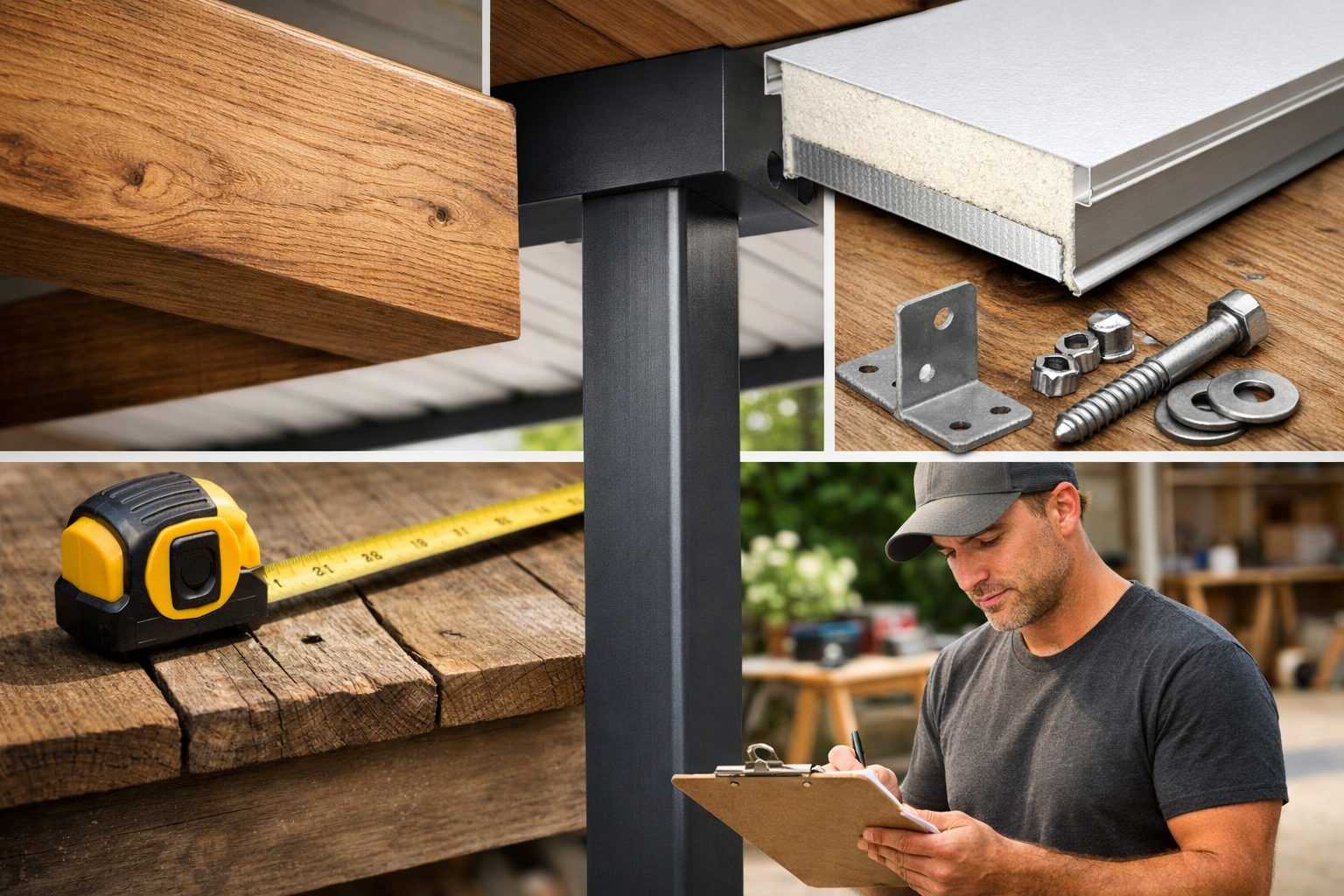
Material choice: cost, longevity, maintenance
One of the biggest pricing factors is what your patio cover is made of and how it’s finished. Each option has a different “total ownership cost,” which includes maintenance and expected lifespan.
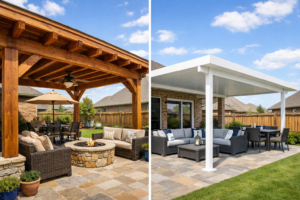
- Wood (often cedar): warm, classic look; can be stained or painted; requires periodic maintenance (cleaning, sealing/staining) to stay looking great.
- Aluminum: low-maintenance and consistent; typically powder-coated; can be a strong choice if you want durability with minimal upkeep.
- Insulated roof panels: designed to reduce heat transfer and improve comfort under the cover; can be especially appealing when the goal is a cooler shaded area.
- Hybrid builds: combinations (for example, wood aesthetic elements with metal structural components) can balance look and longevity.
If you want to see how a wood-first approach is framed for nearby cities—where sun and heat are similar—these can help you visualize priorities and tradeoffs: Cedar Patio Covers Denton TX That Add Shade and Style and Cedar Patio Covers Aubrey TX for Shade, Comfort, and Style.
Size and span: structure matters
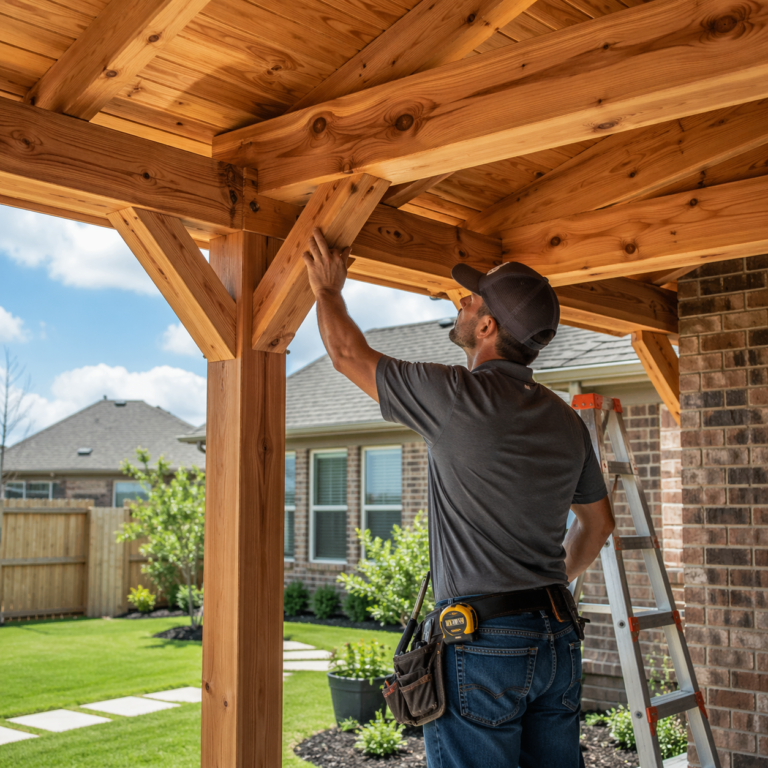
A larger cover isn’t just “more material.” Longer spans may require stronger beams, more posts, upgraded footings, or engineering considerations so the structure feels solid and performs well over time. This is where workmanship is part of value: a cover should feel sturdy, look straight, and drain water correctly.
Design complexity and add-ons
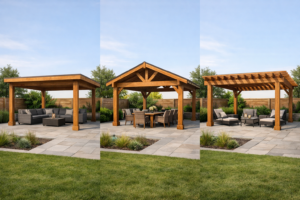
A simple shed-style roof is usually different in price than a gable design or a cover tied into an existing roofline. Add-ons also affect cost, but they can increase enjoyment significantly.
- Electrical: lighting, ceiling fans, outlets for phones/laptops, holiday lights, or speakers
- Drainage: gutters and downspouts to control runoff and protect slabs and landscaping
- Finish work: trim details, paint/stain, matching columns, decorative beams
Value tip: If you’ll use the patio at night, prioritize lighting and a fan from the start. Retrofitting electrical later can be more expensive (and less clean-looking) than planning it into the build.
Permits, codes, and site conditions
Local code requirements, permitting, and site realities can change scope. Examples include the condition of an existing slab, access to the backyard, grading that affects drainage, and how the cover attaches (or doesn’t) to the home. A detailed estimate should call out these assumptions so you can compare bids fairly.
Key takeaway: compare “apples to apples”
Two patio covers can look similar in a photo and be built very differently. When you compare quotes, confirm the exact dimensions, post spacing, roof style, finish, and what’s included (electrical, gutters, permits, haul-off). The best value is usually the project that’s clearly specified—not the one with the lowest starting number.
ROI and Home Resale: Do Patio Covers Add Value?
Return on investment for patio covers can be real, but it’s not always as simple as “spend X, add X to the sales price.” In many cases, the return shows up as buyer appeal, faster offers, and fewer objections—especially in neighborhoods where outdoor living is expected.
What “ROI” looks like in real life
Outdoor upgrades often help your home compete. When a buyer tours two similar homes and one has a finished, shaded outdoor area that feels immediately usable, it can create a strong emotional preference. That preference is a form of value—even if the appraisal doesn’t line-item the patio cover the way it would a bedroom addition.
- Perceived livable space: a covered patio reads as a functional extension of the home.
- Move-in readiness: buyers see fewer immediate projects to budget for.
- Better photos and showings: outdoor living spaces can improve listing presentation.
Quality and integration tend to matter more than “having something”
A basic cover that looks out of place—or one that’s obviously DIY and not well-finished—can undermine value. On the other hand, a cover that matches roof pitch/lines, uses appropriate materials, and includes clean finish work can make the whole backyard feel more intentional.
Neighborhood expectations matter too. If most comparable homes have some form of covered outdoor space, adding one can help you stay competitive. If very few do, a well-designed cover can help you stand out—without going so custom that it feels mismatched for the area.
Secondary value: protection and reduced wear
A patio cover can also reduce exposure for adjacent doors and windows. Less direct sun can mean less fading and weathering for finishes over time. While this isn’t usually framed as a headline benefit, it’s part of why homeowners feel the upgrade continues paying off year after year.
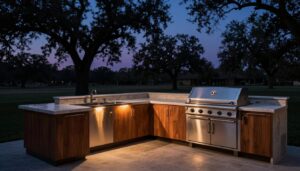
If you’re thinking about resale value, it’s also worth looking at your broader outdoor plan. In many homes, a patio cover pairs naturally with a cooking or prep area; if that’s on your roadmap, explore: Outdoor Kitchens in Denton TX for Real Backyard Living.
Everyday Benefits That Make Patio Covers “Worth It”
For most homeowners, the strongest payoff isn’t theoretical ROI—it’s the everyday change in how the home lives. If you’ve been avoiding your backyard because it’s too hot, too bright, or too unpredictable, a patio cover can be the difference between owning outdoor space and actually enjoying it.
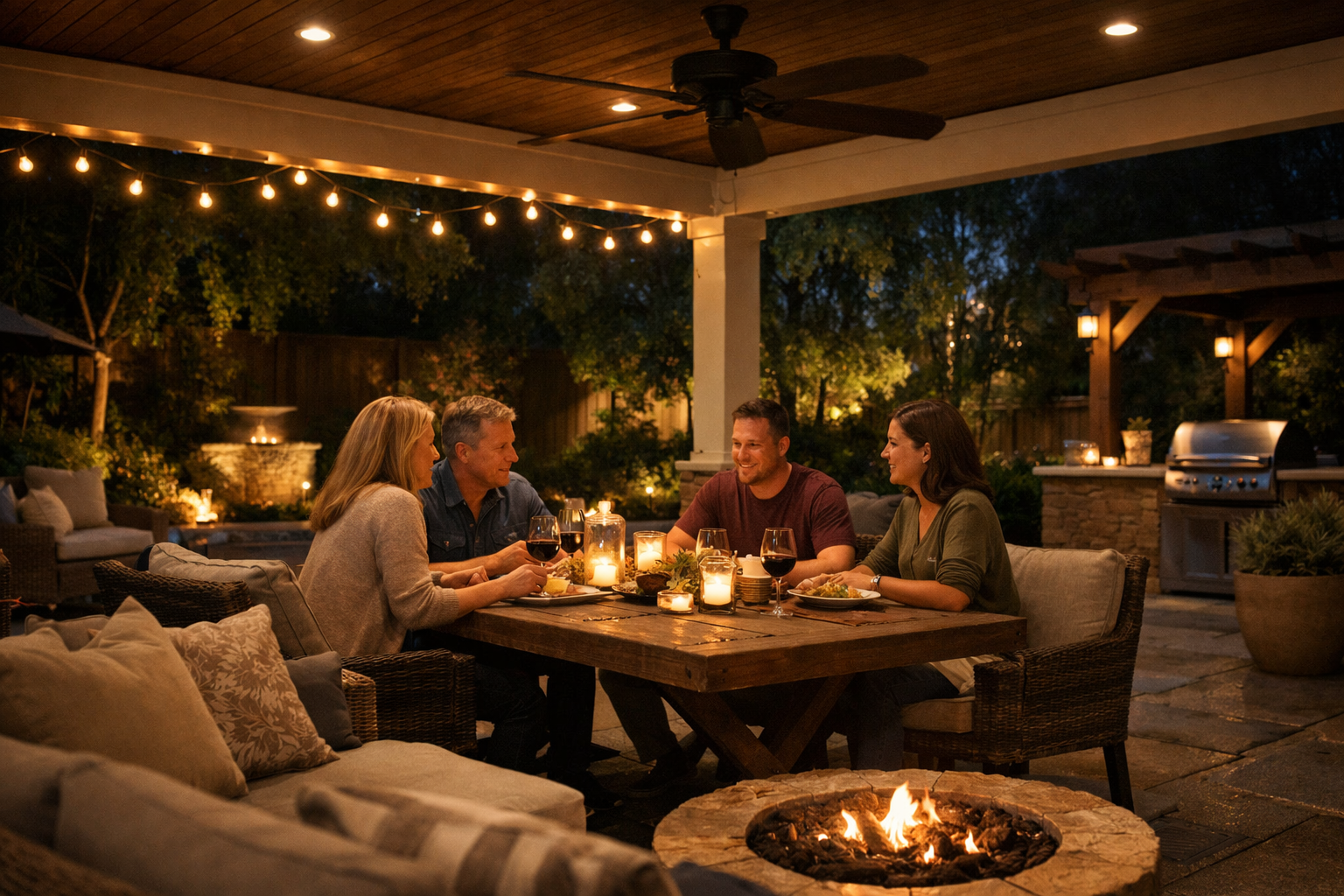
Shade that expands your “usable hours”
Direct sun can turn patios into heat traps. Shade doesn’t just feel nicer—it can shift the times of day your patio is comfortable. If your family wants to be outside after work, during weekend afternoons, or while kids play, that extra comfort often becomes the main reason homeowners say the project was worth it.
Protection for furniture, grills, and décor
UV exposure and rain wear down outdoor items fast. Covered space helps cushions, finishes, and grill components last longer. Over time, that can reduce replacements and keep your patio looking “kept” instead of constantly weathered.
More reliable hosting (less weather roulette)
With a covered area, you can plan dinner outside without checking the forecast every hour. That reliability changes behavior: people host more, eat outside more, and actually use the patio as intended.
Add-ons that increase comfort (and satisfaction)
Small upgrades can dramatically improve day-to-day enjoyment:
- Ceiling fan: better air movement during warm months
- Lighting: usable evenings, better ambiance, safer steps and thresholds
- Outlets: phones, laptops, speakers, TVs, or holiday lighting
- Gutters: keeps water from dumping onto seating areas or eroding landscaping
Comfort benchmark
If a patio cover helps your household use the patio 2–3x more often during warm months, many homeowners consider that the clearest sign the investment is paying off—regardless of what resale ROI looks like on paper.
How to Estimate Your Patio Cover Value: A Simple Decision Framework
If you want to decide confidently, treat the project like a value equation: problems solved + longevity + enjoyment + buyer appeal compared to total cost. Here’s a simple way to run that math without overcomplicating it.
Step 1: List the problems you want to solve (rank them)
Write down what’s not working today and rank it by importance. Examples:
- “Our patio is unusable from 12–6 because of sun.”
- “We want a consistent space to host dinner outside.”
- “Our furniture is fading and getting rained on.”
- “We need a covered area for kids to be outside even if there’s drizzle.”
The clearer the pain point, the easier it is to judge if a design actually solves it.
Step 2: Compare options by total ownership cost (not just install price)
A lower upfront price can be offset by higher upkeep or earlier replacement. When comparing materials and designs, consider:
- Maintenance: How often will you stain/paint/clean? What’s the effort level?
- Durability: How does it handle sun, wind, and storms over time?
- Repairability: If something is damaged later, is it simple to replace components?
Step 3: Prioritize integration with your home
Integration is a value lever. A patio cover that matches your home’s lines and finishes tends to look “built with the house,” which supports curb appeal and resale interest. Even if two covers offer the same shade, the one that looks cohesive can feel more premium.
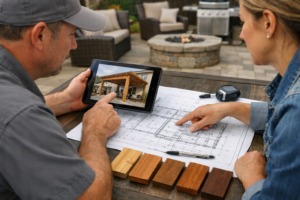
Step 4: Ask for a detailed estimate you can compare
A strong estimate should clearly outline materials, dimensions, roof style, post layout, add-ons, timeline, and warranty. If you’re still gathering bids, this guide can help you evaluate professionalism and protect yourself from vague proposals: How To Choose a Patio Cover Contractor.
- Confirm dimensions: exact projection, width, and height clearances
- Confirm what’s included: electrical, fans, lights, gutters, haul-off, permits
- Confirm finishes: stain/paint type, aluminum coating details, trim scope
- Confirm warranty: workmanship and material coverage
Decision shortcut: If your top priority is comfort in the Texas heat, prioritize shade coverage and roof performance first—then layer in aesthetics and features. A beautiful cover that doesn’t shade the right area won’t feel worth it.
Common Patio Cover Options (and Who They’re Best For)
“Patio cover” can mean a few different structures. The right option depends on how you use the yard, where the sun hits, and what look you want.
Attached patio covers
Best for: homeowners who want the patio to feel like a true extension of the house.
Attached covers often provide seamless access from the back door and can be designed to align with your home’s architecture. They’re a common choice when the goal is consistent shade over a main patio or outdoor dining area.
Freestanding patio covers
Best for: detached seating areas, poolside shade, or yards where attaching isn’t ideal.
Freestanding structures are flexible. They can define a space farther from the home—like a firepit area, a conversation set under trees, or a shaded zone by a pool.
Insulated roof panel systems
Best for: homeowners prioritizing comfort under the cover and better heat performance.
Insulated panels can reduce heat transfer and create a noticeably cooler shaded zone. They can also provide a clean finished ceiling look, which pairs well with recessed lighting and fans.
Custom features that change how the space functions
The most “worth it” patio covers are usually the ones that are tailored to your lifestyle. Depending on your needs, custom features can include:
- Gutters/downspouts for better water control
- Lighting plans (recessed, pendant, sconces, string-light support)
- Fans and heaters for extended seasonal use
- Privacy elements like partial walls or screens in the right locations
- Planning for future upgrades like an outdoor kitchen, TV wall, or built-in seating
If you like the look of wood covers and want examples of how they’re positioned for comfort and style in nearby communities, see: Cedar Patio Covers Argyle TX for Shade, Style, and Daily Comfort.
Conclusion: So, What Are Patio Covers Worth?
A patio cover is worth it when it meaningfully improves how you use your home—especially in climates where sun and weather regularly push people indoors. The best projects balance shade performance, durable materials, and a design that looks like it belongs.
Summary checklist
- Value isn’t just resale ROI: daily comfort and usability often deliver the biggest return.
- Pricing depends on real build factors: materials, span/structure, design complexity, and site requirements.
- Quality + integration matter: the covers that look and feel “built-in” typically carry better perceived value.
- Compare total ownership cost: include maintenance, longevity, and the features you’ll actually use.
Get a Patio Cover Estimate for Your Home
Corinth Patio Covers can help you evaluate options, pricing, and the best design for your space. Call 972-318-9663 or request an estimate online.
Next step: If you already know where you want shade (dining area, grill zone, seating), mention that when you request your estimate—those details help shape the most accurate design and pricing.