








Cedar Patio Cover Contractor: What to Expect, Costs, and Why Corinth Patio Covers Is a Trusted Choice
Cedar is a premium choice for shade, curb appeal, and long-term performance. Here’s how to plan your project and work with a contractor who gets the details right—like Corinth Patio Covers.
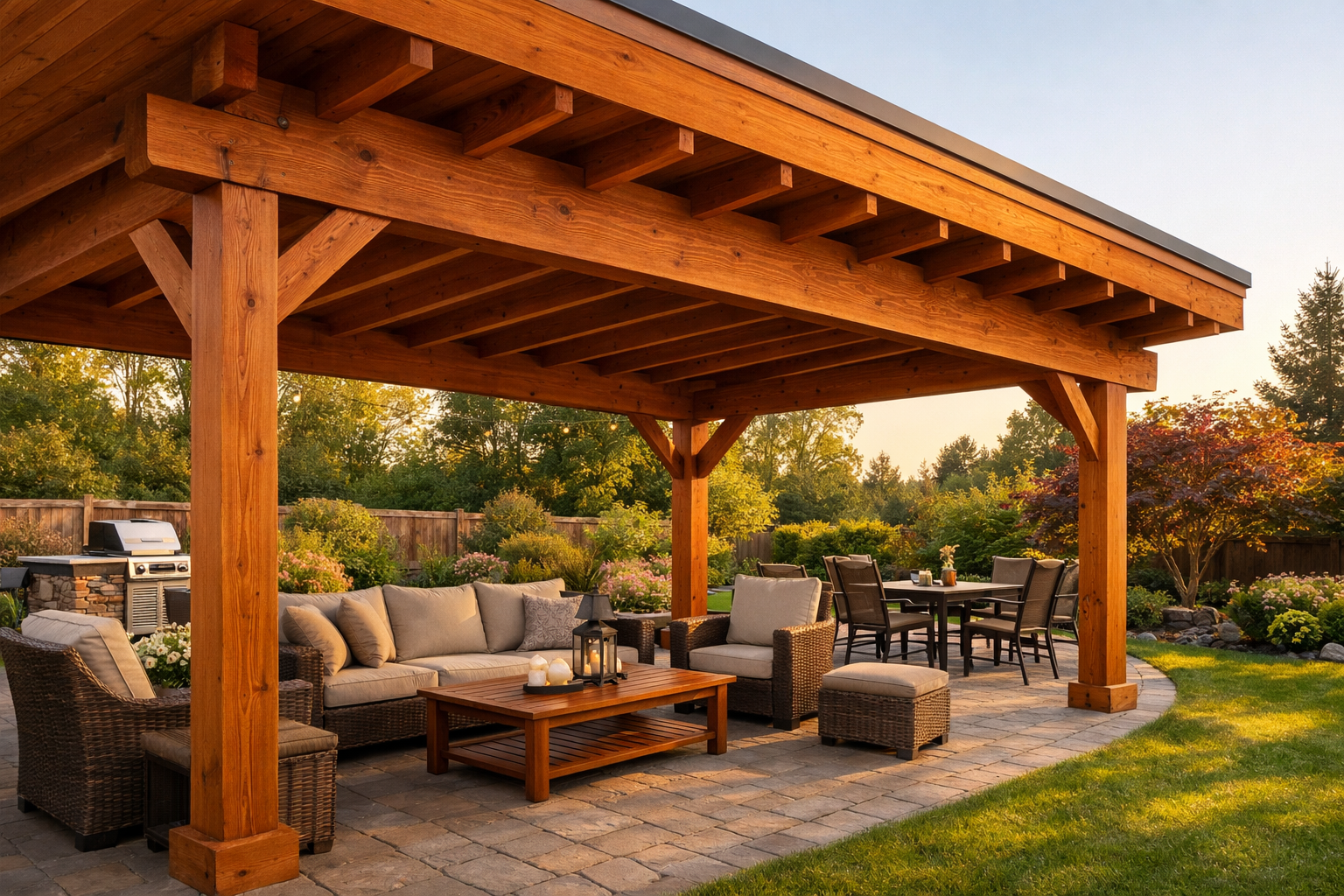
Quick takeaway
If you’re searching for a cedar patio cover contractor near me, focus on three things: structure (sound footings and spans), water management (pitch/gutters/runoff), and finish planning (how the cedar will look this year and five years from now). Those details are what separate a patio cover that “looks good today” from one that performs for decades.
Why Cedar Is a Top Material for Patio Covers
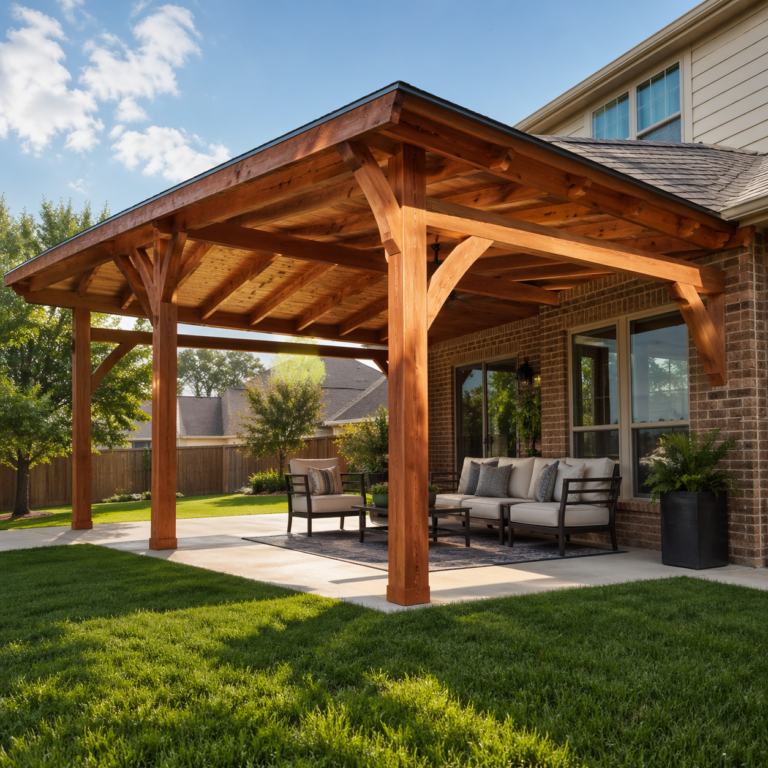
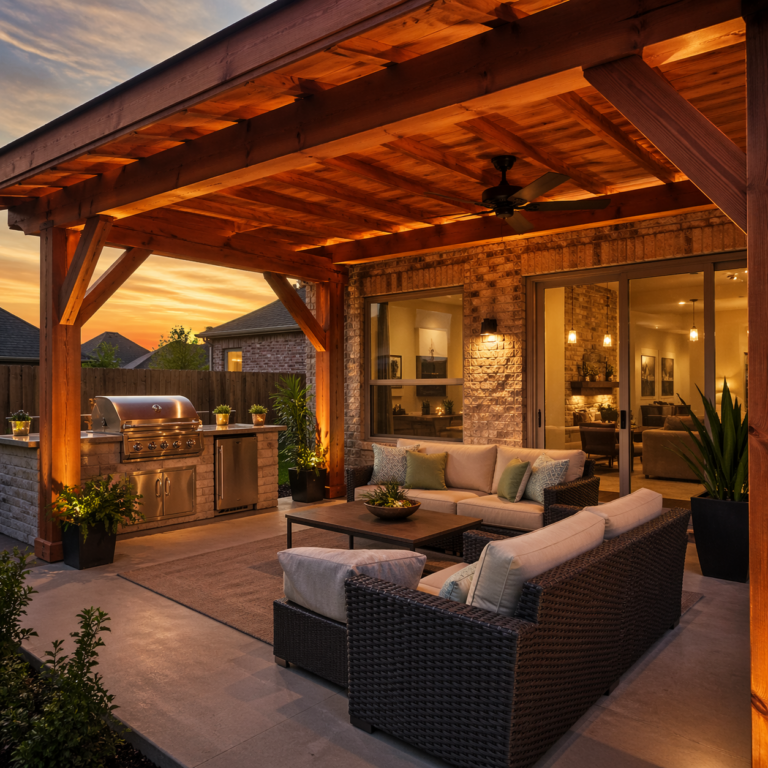
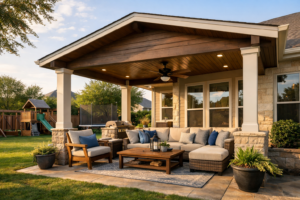
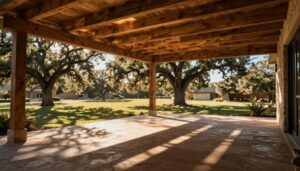
Cedar patio covers have become a go-to upgrade across North Texas for good reason: they look high-end, they’re comfortable underfoot and overhead, and they hold up well outdoors when they’re built correctly and maintained on a realistic schedule. For many homeowners, cedar hits the sweet spot between “natural beauty” and “practical performance.”
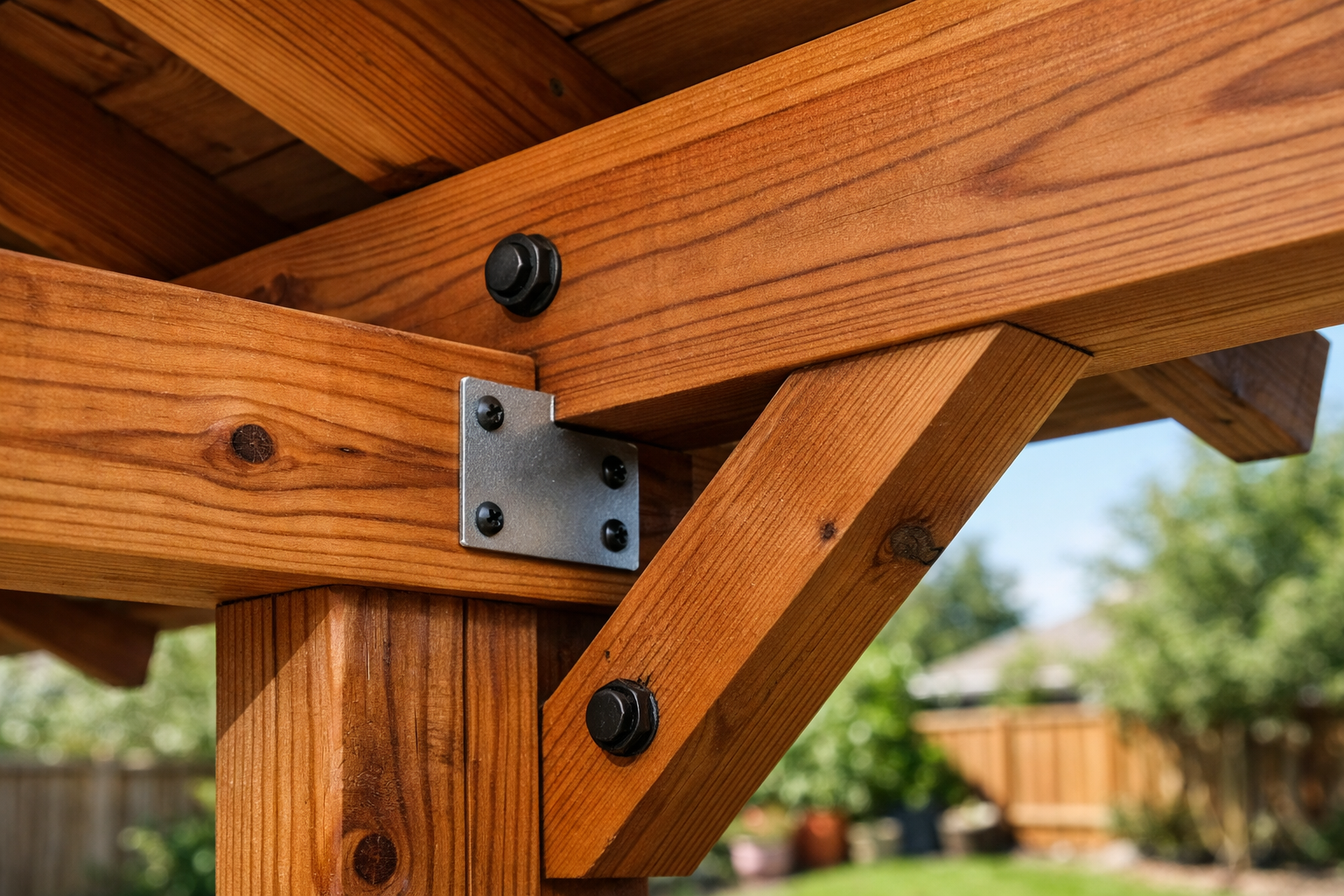
1) Natural resistance (with the right build + upkeep)
Cedar is known for natural oils that help it resist rot and insects. That doesn’t mean it’s maintenance-free—but it does mean cedar is a strong candidate for outdoor structures when the contractor handles the fundamentals: proper clearances, correct footing/post details, and finish choices that match your sun and weather exposure.
2) Straight lines, crisp details, and cleaner layouts
Compared to heavier woods, cedar’s relatively light weight and dimensional stability can make it easier for experienced builders to create clean beam layouts, consistent spacing, and tidy joinery. When you see a cedar cover that looks “architectural,” it’s usually the result of careful layout and execution—not just the material.
3) A warm look that fits North Texas exteriors
Cedar’s color and grain pair naturally with the brick and stone exteriors common in Corinth and surrounding areas. If curb appeal matters, cedar tends to read as premium without feeling overly modern or out of place.
4) Flexible finishing options
One of cedar’s advantages is that you can dial in the final style:
- Clear or lightly tinted sealers to showcase grain and keep the “natural cedar” vibe.
- Semi-transparent stains for more color control and more consistent aging.
- Painted finishes when you want a uniform look (especially if matching trim or fascia).
Planning tip: Cedar changes over time in sun exposure. If you want the finish to age evenly, talk with your contractor about a finish schedule and how much direct afternoon sun the structure gets.
If you want to go deeper into styles and planning, the post Custom Cedar Patio Cover Designs: Styles, Costs, and Planning Tips for a Beautiful Backyard breaks down popular layouts and decision points that influence both price and appearance.
What a Cedar Patio Cover Contractor Should Handle (Start to Finish)
A cedar patio cover looks simple at a glance—posts, beams, rafters—but the best outcomes come from a contractor who treats it as a complete system: structure, drainage, aesthetics, and how you’ll actually use the space day-to-day.
1) On-site evaluation: measurements, attachment points, and real-world constraints
Your contractor should begin with an on-site visit to measure the patio, evaluate the home’s exterior, and identify where the cover can be attached (for an attached cover) or where footings should go (for a freestanding structure). This is also where you discuss:
- Where shade matters most (breakfast seating, grill zone, doors, windows).
- Traffic flow (sliding door clearance, outdoor kitchen paths, pool access).
- Existing conditions (slab edges, drainage slopes, landscaping, sprinklers).
2) Design recommendation: size, roof style, beam spacing, and options
A quality cedar patio cover contractor doesn’t just “build what you ask for.” They’ll guide the design so it performs well and looks intentional. That includes recommending the right size, beam layout, and roof style based on spans, your home’s architecture, and shade goals.
Common add-ons that should be discussed early (because they affect framing and wiring):
- Ceiling fans or a fan-rated beam location
- Recessed lighting, pendants, or downlights
- Outlets for TV, speakers, or countertop appliances
- Extended rooflines to protect doors or large glass openings
3) Permitting and code compliance: it should not be an afterthought
Permitting and structural requirements can vary by city and project scope. The contractor should address code compliance up front, including post sizing, beam spans, uplift/wind considerations, and any ledger/attachment details when tying into an existing home.
Good rule: If a contractor can’t clearly explain why the post sizes, beam sizes, and spacing are what they are, it’s hard to trust the structure long-term—especially as the wood dries, seasons change, and wind events happen.
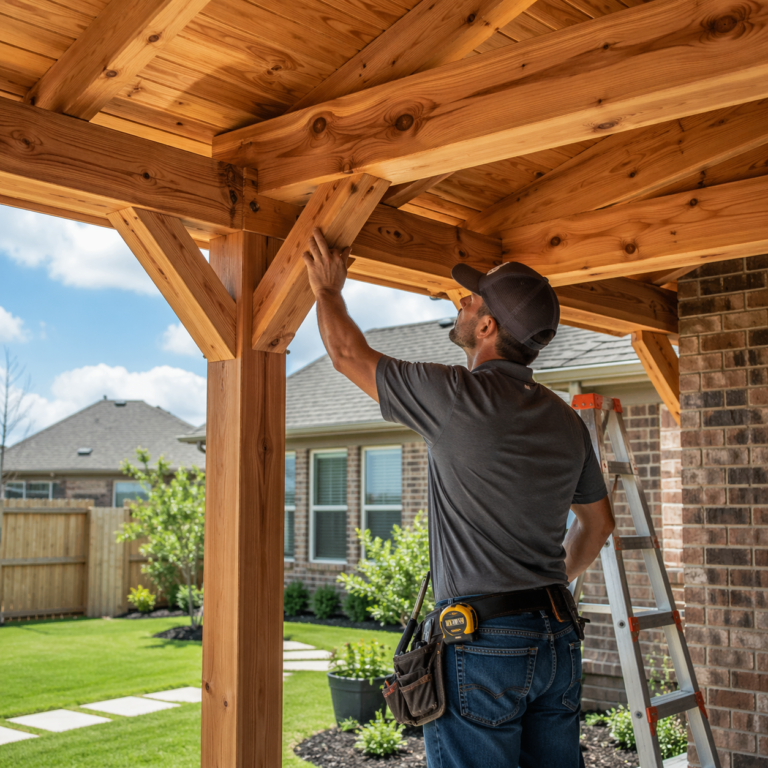
4) Construction fundamentals: footings, plumb/level, and secure connections
The build process should prioritize precision. Small errors compound fast on a structure with long lines. The contractor should handle:
- Proper footings placed correctly for the layout and load.
- Accurate leveling and squaring so rafters and trim lines read clean.
- Hardware and connections that are secure and appropriate for outdoor use.
- Finish prep (clean sanding, consistent cuts, neat fastener strategy).
If you’re evaluating contractors generally—not just cedar—this guide is worth reading: How To Choose a Patio Cover Contractor. It’s a practical checklist for comparing bids and spotting vague scopes.
Key Design Choices That Affect Cost, Comfort, and Curb Appeal
Homeowners often ask for a “ballpark” cedar patio cover cost in Texas. The honest answer: pricing swings widely based on size, structural spans, roof style, finishing, and electrical. A great contractor helps you spend where it matters—structure and water management—while shaping the look to match your home.
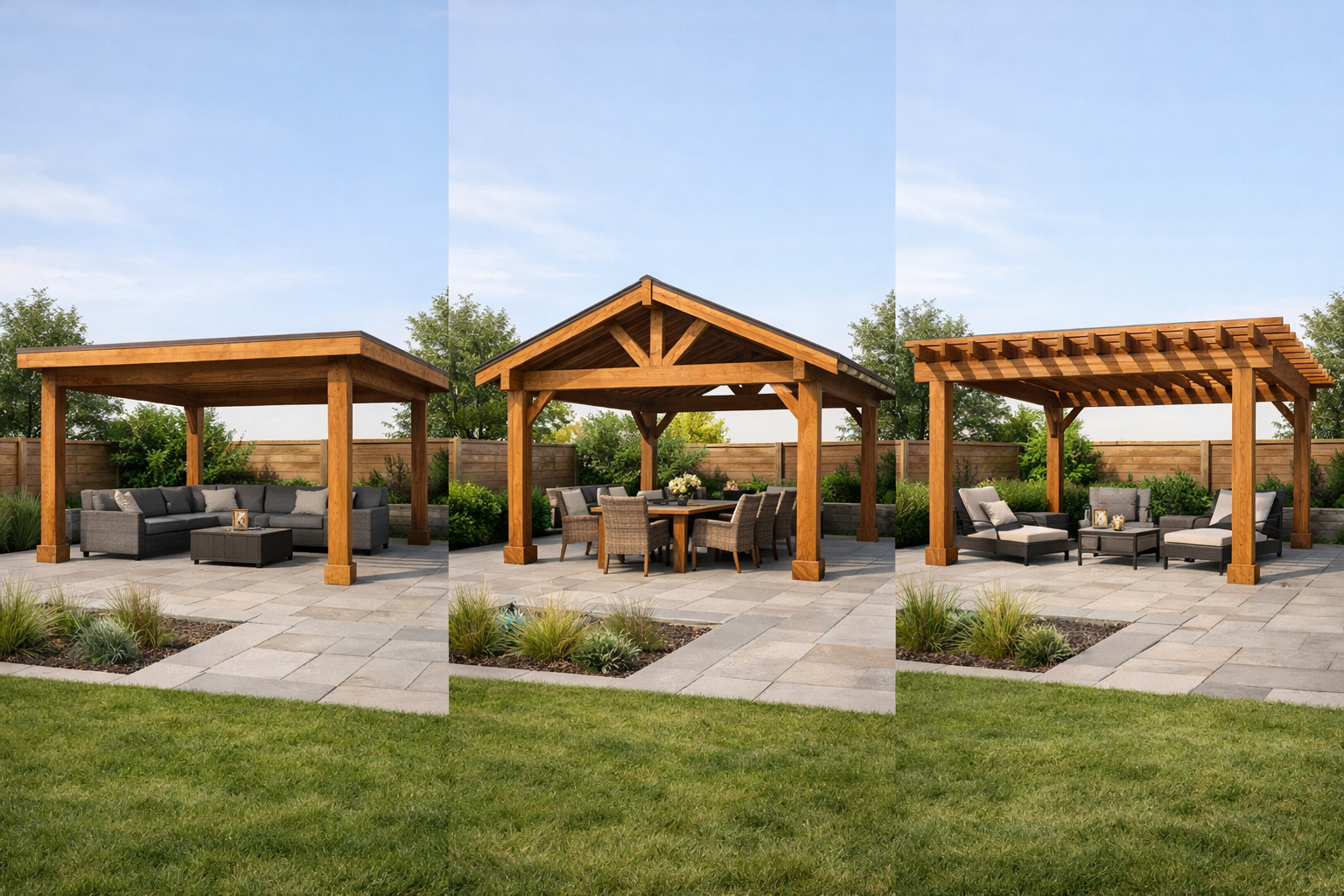
1) Size and roof style: the biggest cost drivers
In most projects, footprint + roof design drive cost because they determine lumber volume, spans, and complexity. Larger covers often need heavier beams and sometimes additional posts to meet span requirements. In practical terms:
- Flat/low-slope styles can look clean and modern but must be designed carefully for drainage.
- Gable roofs can feel more “finished” and may brighten the space, but framing is more complex.
- Pergola-style covers can be visually striking and airy, though they don’t block rain the way a solid roof does.
2) Finish level: how it will look now and how it will age
Cedar can be left natural with a protective sealer, stained for color control, or painted for uniformity. Finish choices affect both cost and long-term upkeep. If your goal is a consistent look over time, stains can help manage UV changes better than leaving it raw—especially on faces that get direct afternoon sun.
Budget clarity
Ask your contractor to separate pricing for structure and finish/electrical upgrades. That makes it easier to adjust the design without compromising safety or long-term performance.
3) Electrical: plan early to avoid retrofits
Adding electrical rough-in for fans, recessed lighting, or outlets improves how often you’ll use the space. But it should be planned early so wiring can be routed cleanly inside framing where possible, instead of adding visible conduit later.
In many projects, good electrical planning can feel like a “free upgrade” to aesthetics because it reduces clutter and keeps the ceiling lines clean.
4) Drainage and water management: protect your slab and foundation edges
Water management is one of the most overlooked parts of patio cover planning. Pitch, gutter integration, and runoff direction matter because they protect:
- Concrete edges and expansion joints
- Landscaping beds and mulch zones
- Doors and thresholds
- Foundation edges and drainage paths
When homeowners weigh cost vs. value, this is where “invisible benefits” show up. A well-designed cover improves comfort and aesthetics, but it can also reduce weathering at the back of the home. For a value-focused perspective, see What Are Patio Covers Worth? Cost vs Value, ROI, and Benefits for Homeowners.
Questions to Ask Before You Hire a Cedar Patio Cover Builder
Whether you’re comparing two bids or five, your goal is to confirm that the contractor’s scope is detailed, their quality is consistent, and their process matches how you want the project to go. These questions help you quickly separate “estimated” from “engineered.”
Ask for recent work—and know what to look for
Photos and references matter, but don’t just ask “Do you have pictures?” Ask to see recent cedar builds with close-up angles. Look for craftsmanship details such as:
- Straight, consistent lines (especially long beams and fascia)
- Clean cuts and tidy intersections
- Consistent spacing and symmetry
- Finish uniformity (or a plan for how it will be applied)
Request a written scope (this prevents surprises)
Ask for a written scope that spells out what’s included and excluded. At minimum, it should cover:
- Lumber species and grade assumptions
- Post and beam sizes
- Roof style, pitch, and spacing
- Footing details
- Finish type (sealer vs stain vs paint) and number of coats
- Electrical scope (rough-in, fixtures, switch locations)
- Cleanup and debris removal
If two estimates aren’t comparable on paper, they aren’t comparable in real life. A clear scope is often the difference between a smooth build and a frustrating one.
Discuss timeline and site logistics
Even small outdoor projects impact daily life. Ask about the build schedule, work hours, and how landscaping and existing concrete will be protected. Also confirm how material storage will be handled and how the crew will keep the worksite safe and organized.
Confirm warranty and maintenance guidance
Cedar is a living material—it changes color, it dries, it moves slightly over seasons. That’s normal. A professional builder will set expectations about what aging looks like and provide maintenance guidance for your sun exposure and finish type.
Homeowner checklist
Before signing, make sure you can answer: “What exactly am I getting, how will water be managed, and what do I need to do to keep the cedar looking good?” If any of those are unclear, keep asking questions.
Why Homeowners Choose Corinth Patio Covers for Cedar Patio Cover Projects
Choosing the best contractor for cedar patio covers often comes down to confidence: you want a team that understands structural requirements, builds cleanly, and communicates clearly so you’re not guessing about next steps.
Focused experience in outdoor cover construction
Corinth Patio Covers specializes in outdoor cover projects, which means the team is accustomed to the details that make cedar builds look premium: crisp layout, consistent beam lines, and practical choices that keep the structure square and durable over time.
Guidance that keeps the project practical
Cedar is beautiful, but it’s also an investment. A good contractor helps you choose options that improve comfort and usability without overbuilding. That might mean right-sizing the footprint for where the sun hits hardest, choosing a roof style that fits your home, or planning electrical early so the finished ceiling stays clean.
A defined estimate process and clear communication
Many homeowner frustrations come from vague scopes and shifting expectations. A clear estimate process helps you understand what you’re paying for, how long it should take, and what decisions need to happen early (like lighting, fans, and finish selections).
If you’re specifically planning a cedar patio cover installation in Corinth, TX, you may also want to read Cedar Patio Covers Corinth TX: What Homeowners Should Know. And if you’re comparing nearby areas, these local overviews can help you spot differences in common layouts and homeowner priorities: Cedar Patio Covers Denton TX That Add Shade and Style and Cedar Patio Covers Argyle TX for Shade, Style, and Daily Comfort.
Care and Maintenance: Keep Cedar Looking Great for Years
A cedar patio cover can look incredible for the long haul, but it does best with simple, consistent care—especially in climates with strong sun, pollen seasons, and weather swings. Maintenance isn’t complicated; it’s mostly about keeping moisture and UV exposure under control.
1) Clean regularly (it’s more important than most people think)
Pollen and surface dirt can hold moisture and dull a finish. A light cleaning schedule—especially after heavy pollen—helps your finish last longer and keeps the wood from looking blotchy.
2) Use the right sealer or stain for your exposure level
A quality exterior sealer or stain helps manage UV exposure and reduces uneven weathering. Your contractor can recommend what works best based on whether the cover gets full sun, partial shade, or intense western exposure. As a rule of thumb, the more sun you get, the more you’ll benefit from proactive finish refresh cycles.
3) Watch early moisture signals—especially near posts and splash zones
Pay attention to persistent dark spots near posts, low airflow corners, or areas where sprinklers hit. Moisture issues are often solvable when they’re small: redirect sprinklers, improve drainage, or refresh sealer where needed.
4) Small habits that extend life
- Trim nearby plants to improve airflow and reduce trapped humidity.
- Keep gutters (if installed) clear so water doesn’t overflow onto fascia and posts.
- Check fasteners and hardware periodically—especially after major storms.
- Address tiny finish failures early, before sun and water expand them.
Reality check: Cedar will age—often beautifully. The goal of maintenance isn’t to freeze it in time; it’s to keep the aging even and prevent localized moisture problems.
Conclusion: A Great Cedar Patio Cover Is Built Twice—On Paper and On Site
The best cedar patio covers don’t happen by accident. They come from a contractor who can translate your goals (shade, comfort, style) into a structure that’s correctly sized, properly supported, and thoughtfully finished. When you’re comparing options, prioritize:
- Structural fundamentals (footings, post/beam sizing, square/level build)
- Drainage planning (pitch, gutters, runoff direction)
- Finish strategy (how it will look now and how it will age)
- Early planning for upgrades (fans, lighting, outlets)
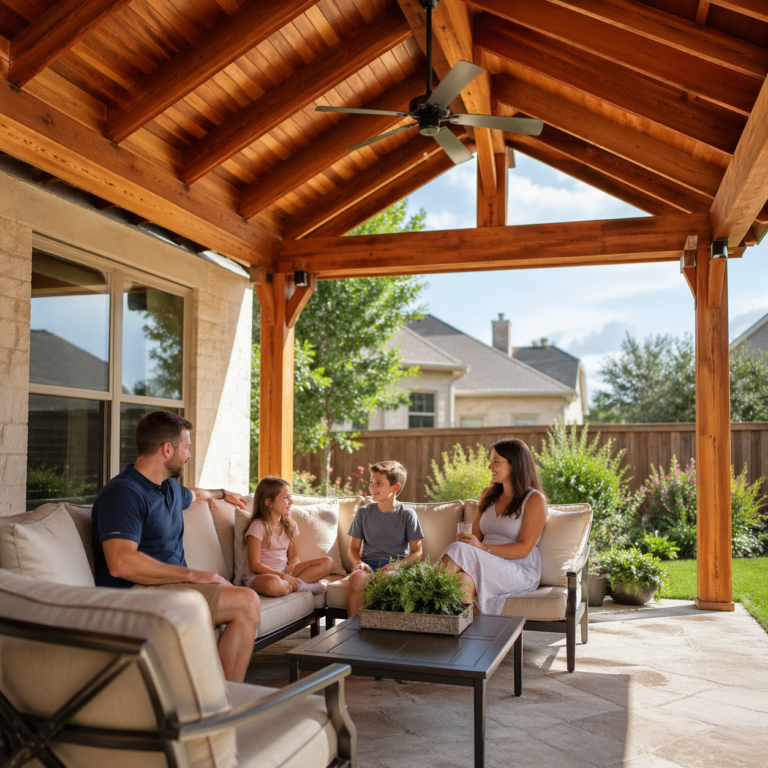
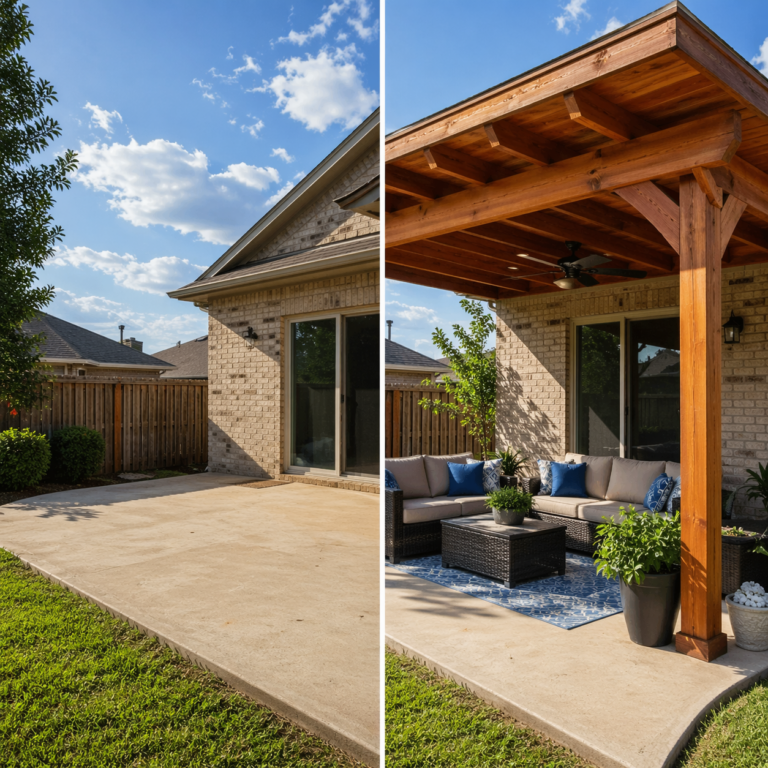
Done well, a cedar patio cover is more than shade—it’s a daily-use space that can change how you live in your backyard and how your home presents from the outside.
Next step
Get a Cedar Patio Cover Estimate from Corinth Patio Covers
Ready to add shade and value with a custom cedar patio cover? Request your estimate online or call to discuss your project details.
If you’re still in research mode, it can help to review how patio cover upgrades impact comfort and resale: Cost vs Value, ROI, and Benefits for Homeowners.